The Inevitable Creep: How Advertising Is Quietly Reshaping the NFL
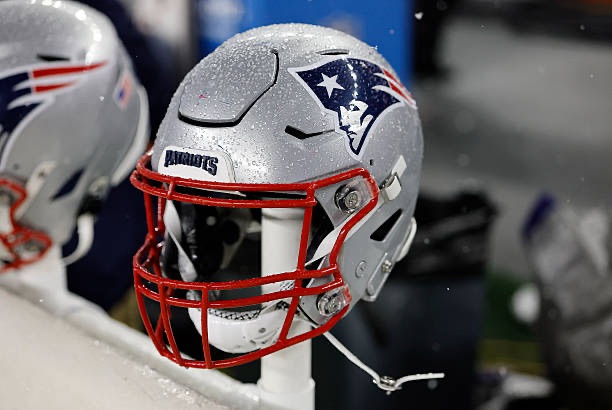
For years, the NFL has insisted that it would never fully follow other leagues down the path of aggressive on-field advertising. No jersey sponsors. No helmet logos. No corporate branding baked into the game itself.
That stance is starting to feel less like a principle and more like a delay.
Across sports, advertising has been inching closer to the action, and the NFL is no longer insulated from the economic forces driving that shift. The question is no longer whether ads will expand further into the game’s visual fabric, but how soon and how far the league is willing to go.
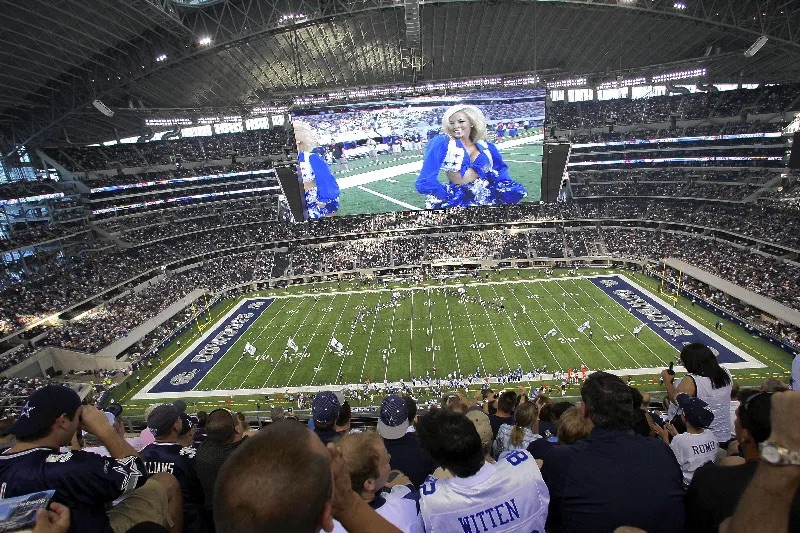
The NFL remains the most powerful financial engine in American sports. League revenues continue to grow, driven largely by national media rights, which now account for the majority of total league income. Teams receive hundreds of millions annually through shared national revenue alone, a figure that has steadily increased with each new broadcast agreement.
The league’s most recent media deals, including long-term agreements with ESPN, Fox, CBS, NBC, Amazon, and YouTube, lock in tens of billions of dollars through the early 2030s. Those contracts have fueled rapid growth in franchise valuations and helped push the salary cap to historic highs in recent seasons.
But growth creates pressure.
Player salaries, facility costs, international expansion, technology investments, and legal and operational expenses continue to rise. At the same time, traditional revenue streams like ticket sales and local sponsorships are far less scalable than national media money. That reality has led leagues across sports to search for new, highly visible, and repeatable advertising inventory.
The easiest inventory to sell is the kind fans cannot avoid seeing.
A Global Trend Toward Maximum Monetization
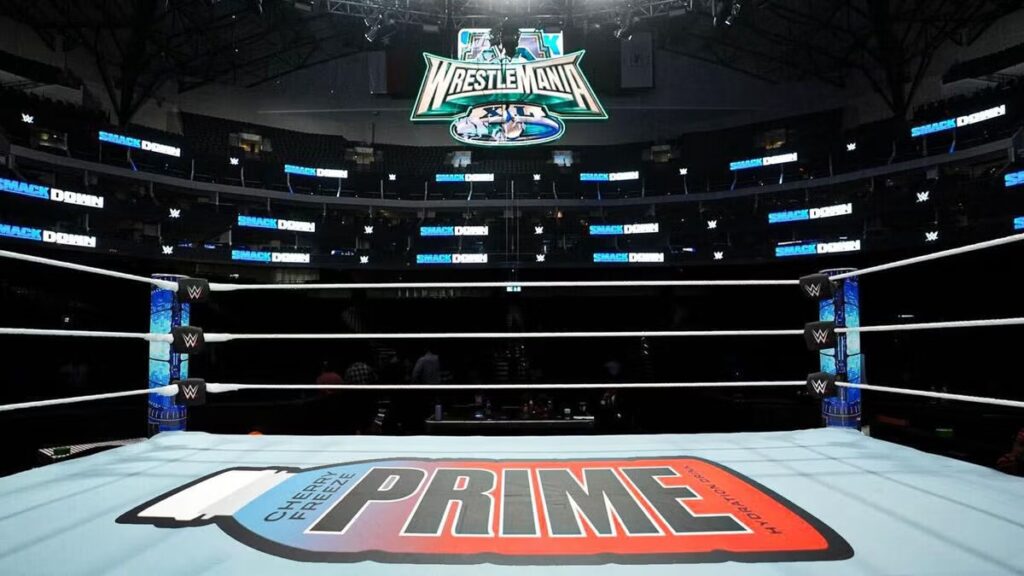
lo The NFL is not operating in a vacuum. Globally, professional sports have moved decisively toward deeper commercialization. Sponsorship and advertising now sit alongside media rights as primary growth drivers, with leagues prioritizing integrated, camera-facing placements over traditional signage.
Industry analysts increasingly describe this approach as “depth over breadth” advertising, fewer sponsors, more prominent placement, and tighter integration into the product itself. The goal is not to flood broadcasts with random logos, but to ensure that every major camera angle contains monetizable real estate.
This strategy has proven effective, even when it draws fan criticism.
The Blueprint from Combat Sports
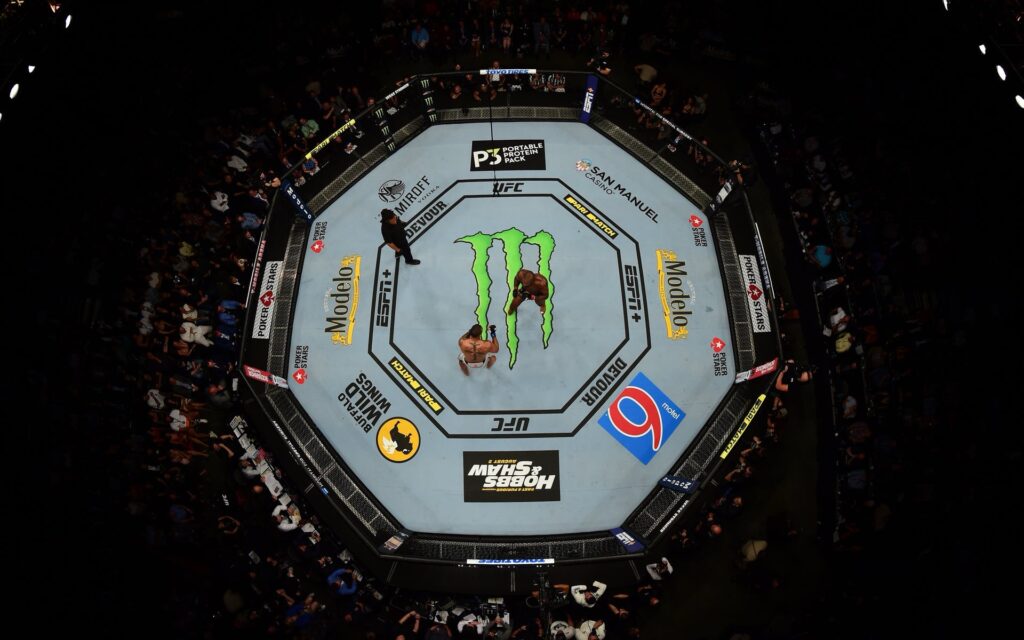
No leagues illustrate this model more clearly than UFC and WWE.
Under TKO Group Holdings, both properties have leaned heavily into visible sponsorships. The UFC’s Octagon has become a fully branded environment, with logos on the canvas, the cage, and broadcast graphics. Sponsorship revenue now represents a significant portion of the promotion’s overall business, driven largely by how often those brands appear on screen.
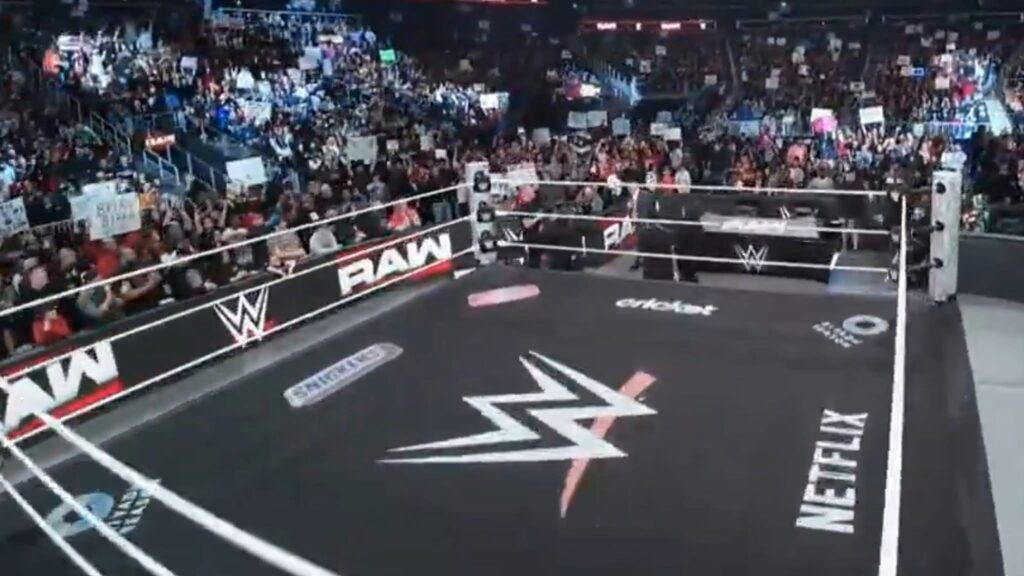
WWE followed a similar path. Once resistant to in-ring advertising, the company now regularly features large sponsor logos at the center of the mat during major events. Despite initial backlash, those placements have become normalized, especially as WWE has expanded its global reach and secured lucrative streaming partnerships.
The takeaway is simple: once a league proves that fans will tolerate on-field ads without abandoning the product, the practice tends to expand, not retreat.
Signs of Change Inside Football
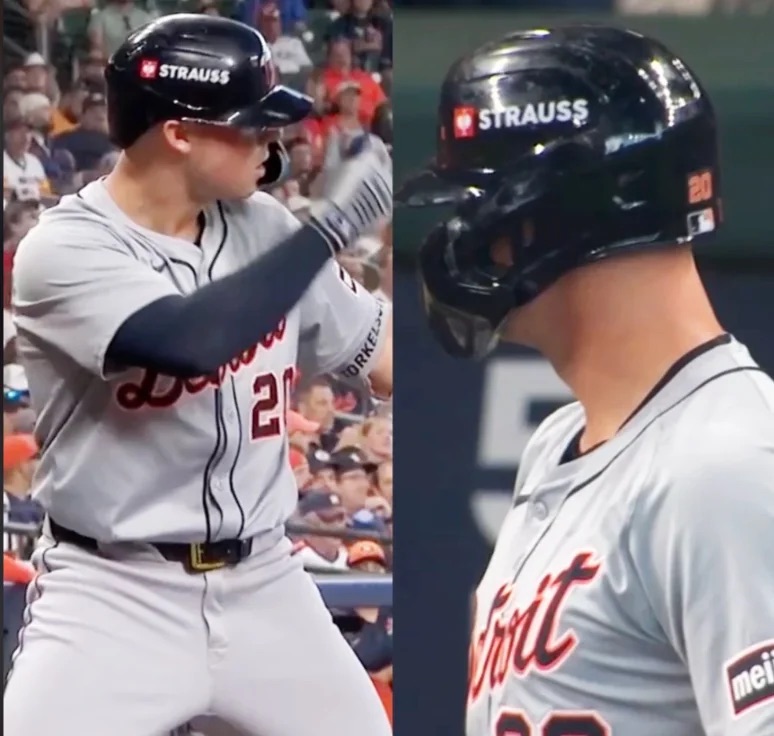
Football has already begun to move in this direction.
College programs now routinely feature uniform patches tied to corporate sponsors. Major League Baseball has normalized helmet decals and jersey patches. The NBA has generated millions per team annually through uniform sponsorships with minimal long-term fan impact.
Even the NFL has softened. Helmet decals honoring social causes have demonstrated that branding on equipment is technically feasible. Alternate helmets, introduced more aggressively in recent seasons, have quietly expanded the league’s comfort with visual change.
What Comes Next
If the NFL expands advertising, it is unlikely to do so abruptly. The more realistic path mirrors other leagues:
- Helmet advertising on the back or lower rear panel
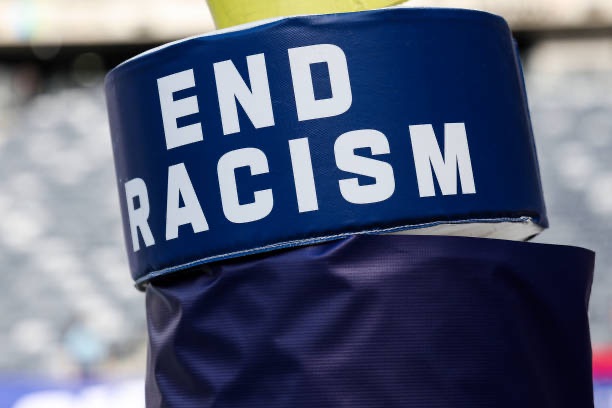
- Goal post and padding sponsorships
- Sideline equipment branding
- Uniform patches introduced gradually
End zone advertising remains the most sensitive area, but even there, rotating or digitally enhanced branding during broadcasts is a logical evolution.